A Word of Gratitude

Today, on the biggest food day of the year, there will be no recipes and no amateurish pictures of the food that regularly graces our table. Instead, I just wanted to share a short (and very incomplete) list of some of things that I am most grateful for:

  • I am ever grateful to God, who has granted me life, and who blesses that life on a daily basis.
  • I am grateful for an amazing husband, who loves and supports me in all of my adventures, and who has never, in 20 years of marriage, uttered a single derogatory or demeaning comment to me. I love you Brian!
  • I am grateful for 5 wonderful children, who teach me far more than I could ever teach them.
  • I am grateful to be a full-time Mom. This has provided me more joy in my life than I could have ever imagined!
  • I am grateful, again, for a husband who works so hard so that I am able to be that full-time Mom.
  • I am grateful for the knowledge that families can be together forever, and that I will always be that full-time Mom.
  • I am grateful for the family that raised me and who continue to teach and support me. I have terrific parents and sisters that are a constant source of blessings to me.
  • I am grateful for a country where I am free to worship as I believe, participate in the democratic process, have opportunity to make my own way in the world, and the freedom to write a silly-little food blog.
  • I am grateful for the armed forces who established and maintain that freedom for me at the risk of their lives, and for very little reward. Extreme gratitude also to all of their families for their many sacrifices.
  • I am grateful for amazing friends who share daily in my joys and sorrows and are a constant source of strength.
  • I am grateful for the far-away friends that I have made across the seven states and four countries where I have lived, for long or short periods of time. You have helped to shape me into the person that I have become today.
  • I am grateful for the opportunity to serve others, because I always receive so much more in return.
  • I am grateful for the bounty of the earth that allows me to experiment and play with my food!

On this Thanksgiving day, I hope that your turkey is moist and your plates are full, and that you are surrounded by people that you love. Most of all, I hope that you have as much to be grateful for in your life as I do in mine. My best wishes for a gratitude-filled day of Thanks.

No Empty Chairs Signature2

1 Comment

Filed under Uncategorized

Cream of Broccoli Soup with Shredded Chicken or Turkey

DSC03409-2

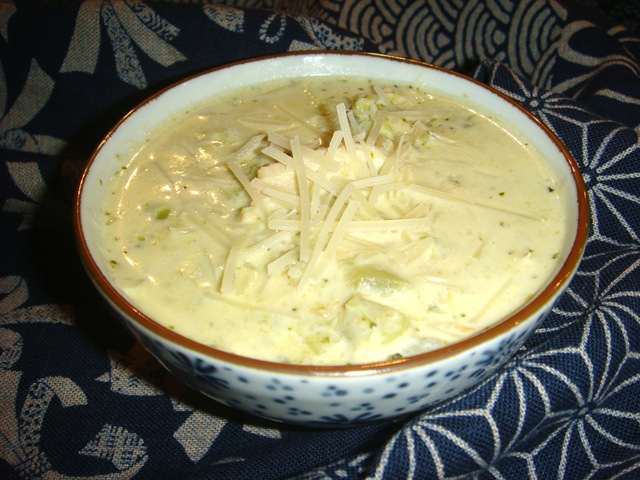
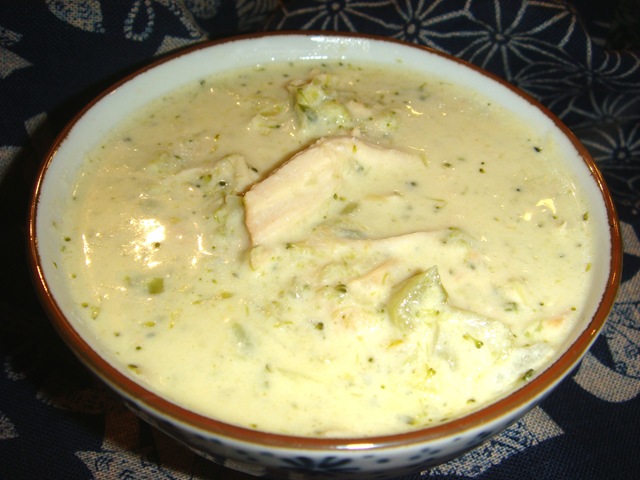
What to do with leftover turkey on Friday? Try this warm, creamy, cheesy broccoli soup. Perfect for leftover roast chicken or turkey.

DSC03401-2

Cream of Broccoli Soup with Shredded Chicken

DSC03409-2

2 Tbs butter
1 large bunch broccoli, chopped
or 2 boxes frozen chopped broccoli
1 onion, chopped
3 cloves garlic, minced
4 cups chicken broth
3 cups cream
1 can broccoli cheese soup
1 tsp salt
1/8 tsp. white pepper
1-2 Tbs fresh chopped oregano or ½ tsp dried oregano
2 C cooked, diced chicken or turkey (or 2 cans chicken)
½ cup cheddar cheese
½ cup Parmesan cheese (fresh grated)

Sauté broccoli, onion and garlic in butter (If using frozen broccoli, sauté onion and garlic first until tender; then add thawed broccoli). Add chicken broth and cook until broccoli is crisp/tender. Puree half of mixture in blender. Return to pot. Stir in remaining ingredients and cook until hot and thickened (about 15 minutes). Garnish with additional cheese, if desired.

NoEmptyChairs.me

2 Comments

Filed under Main Dishes, Soups/Stews/Curries

Spicy Pan-Seared Tuna Steaks

DSC03832

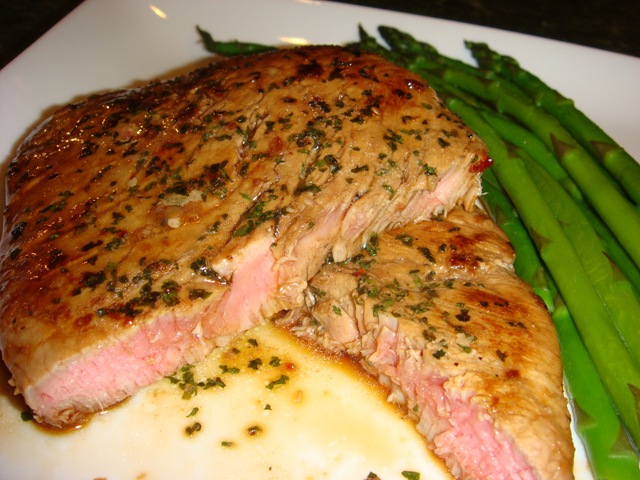
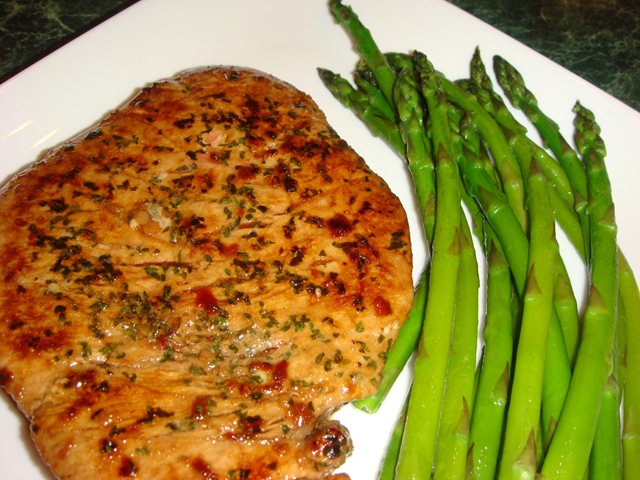
These can actually be as spicy or not-so-spicy as your family likes. Fresh tuna steaks are marinated in a flavorful soy sauce based sauce and then quickly seared just before serving. Super easy. Super fast. Super delicious. Plus NO prep bowls to clean! Just one pan to clean and one Ziploc bag to throw away.

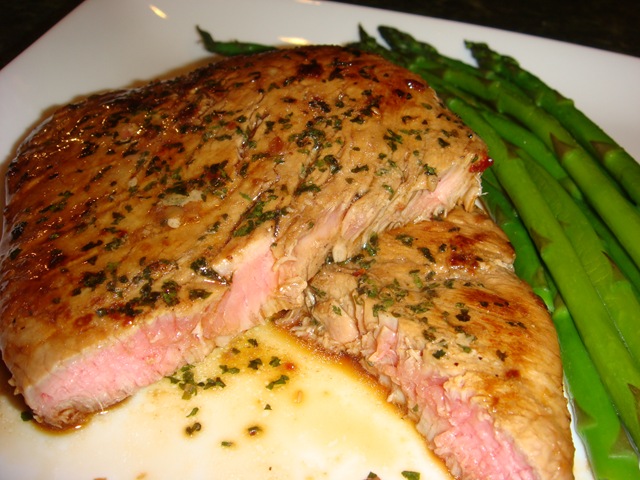
The marinade includes lime and soy sauce, ginger and garlic, chili paste (which can be adjusted to taste), and cilantro. Tuna is a drier fish, so the marinade also contains quite a lot of oil, but the marinade is drained off before cooking, so you don’t actually eat all of that oil. But it will keep your fish nice and moist. Tuna is best eaten on the rare side. It is so much more tender and flavorful that way. Nothing at all like dry tuna out of a can.

Marinate your fish in a Ziploc bag or shallow dish at room temperature for 30-40 minutes before you plan on eating (or prepare it earlier in the day and place in the refrigerator. Remove from fridge 30 minutes before you plan on cooking it).

This cooks very fast-only about 5 minutes total, so have your side dishes ready before you begin searing.

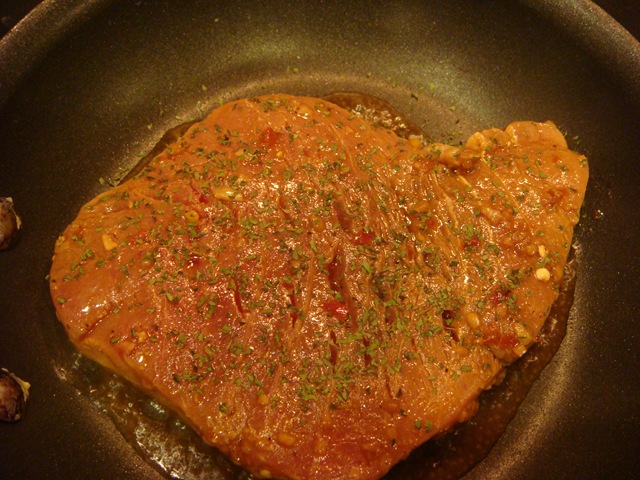
To cook, heat a skillet over medium-high to high heat. Don’t add any oil; the marinade has plenty of that! Remove fish from marinade, draining off as much of the marinade as possible.

DSC03819

Add tuna steaks to the hot pan and cook 3 minutes on the first side and 2 minutes on the second side.

You can cover the pan to reduce splattering, if you like. Tuna will be cooked about ¼” through, and rare in middle. Increase cooking time if you want it cooked a little more, but don’t overcook; it will quickly become dry.

DSC03825 .

.RECIPE:

Spicy Pan-Seared Tuna Steaks

DSC03832

4 tuna steaks (about 1 ½” thick)
Zest & Juice from one lime (or lemon)
3 cloves garlic, minced
2 tsp minced gingerroot
¼ cup soy sauce
1 tsp sugar (or low-carb sweetener)
¼ cup toasted sesame oil
¼ cup olive oil
1 tsp chili paste
¼ cup chopped fresh cilantro
¼ tsp salt
¼ tsp pepper

Combine all ingredients in a Ziploc bag. Marinate for 30 minutes at room temperature, or up to 2 hours in refrigerator (remove from fridge 30 minutes before cooking).

Heat pan on medium-high heat. Remove tuna from marinade. Add tuna steaks to pan and cook 3 minutes on one side and 2 minutes on the 2nd side (cover to reduce splattering). Tuna will be cooked about ¼” around, and rare in middle.

NoEmptyChairs.me

5 Comments

Filed under Main Dishes

Pumpkin Quiche and a Thai Winter Squash Soup

DSC03457

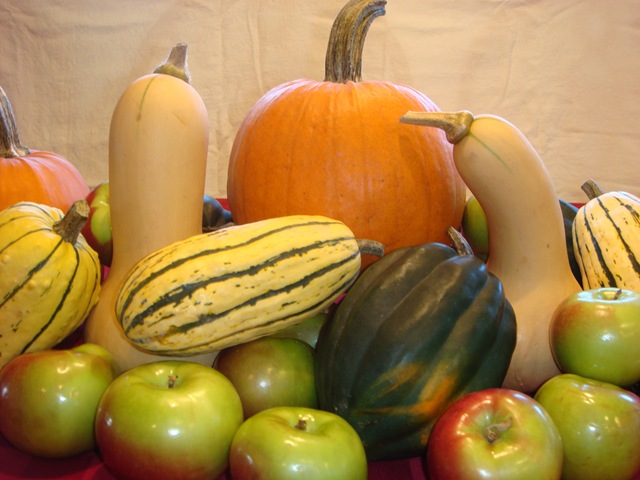
Fall vegetables and fruit have such wonderful deep colors! We recently purchased several bushels of squash, pumpkins, and apples and it has been fun finding ways to use them. As colder weather sets in I love roasting squash and making good hearty soups that taste and smell fabulous and warm up the house all at the same time. For dinner one night this weekend I roasted a bunch of squash and pumpkins and made a pumpkin quiche and a creamy winter squash soup with a subtle Thai flavor.

DSC03966

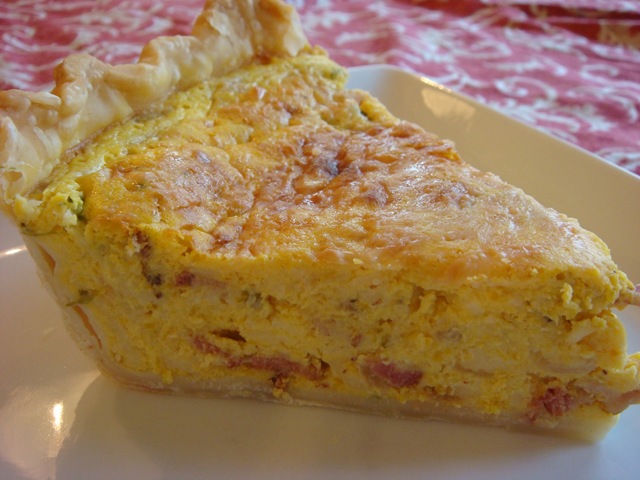
Pumpkin Quiche with Bacon & Asparagus

For the quiche, I used my standard quiche recipe, substituting one cup of mashed pumpkin for one cup of cream in the recipe. I used half of a small roasted sugar pumpkin (try roasting your own squash-it is wonderful!)

DSC03874

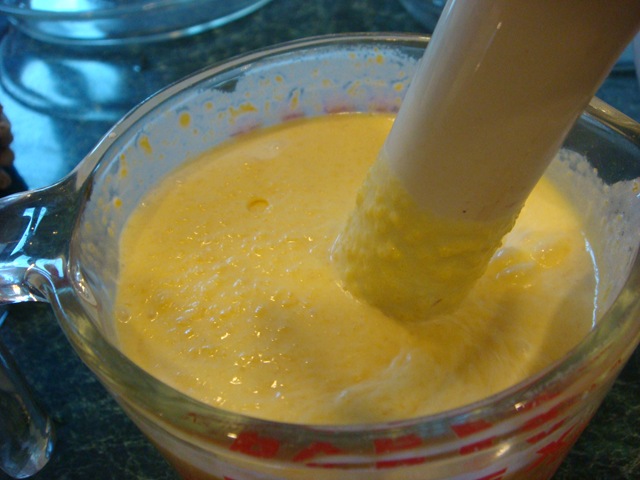
DSC03897 I used an immersion blender to mix the remaining cup of cream with the pumpkin and then added that to the egg and cheese mixture (I used Swiss and Parmesan), tossed in some cooked, crumbled bacon, sautéed onions and garlic, and chopped asparagus and baked it in a pie crust. DSC03909

The resulting quiche had only a very mild pumpkin flavor, but it had a wonderful texture and color.

.

.

.

DSC03923 .

This would be a great way to sneak extra veges into your family’s diet without them ever knowing! And it is so much healthier than the original recipe.

.

Next time I want to try this with a butternut squash, which has a slightly stronger taste and even more brilliant color!

.

.

DSC03959 Thai Winter Squash Soup

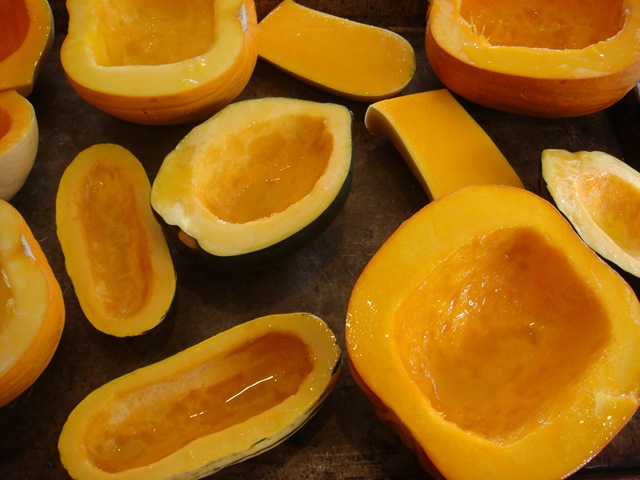
I loved this soup! I used four different varieties of winter squash for this: half of a small pumpkin, an acorn squash, a butternut squash and a delicata squash (the small yellow one with green stripes). Any combination of squash would work fine. In trying to come up with a recipe, I didn’t want an overly bland soup, but I also didn’t want to overpower the roasted squash flavor by using really strong flavors, or making it too spicy.

DSC03880 I started by roasting all of my squash and then coarsely chopping them (I took the lazy approach to chopping and scooped the cooked squash into a large 4 cup Pyrex measuring cup and then ran a knife through it to help pack down the squash to get a full 4 cups).

.

DSC03913 .

In a stockpot, sauté some onions and garlic in coconut oil or olive oil.

.

.

.

DSC03915 .

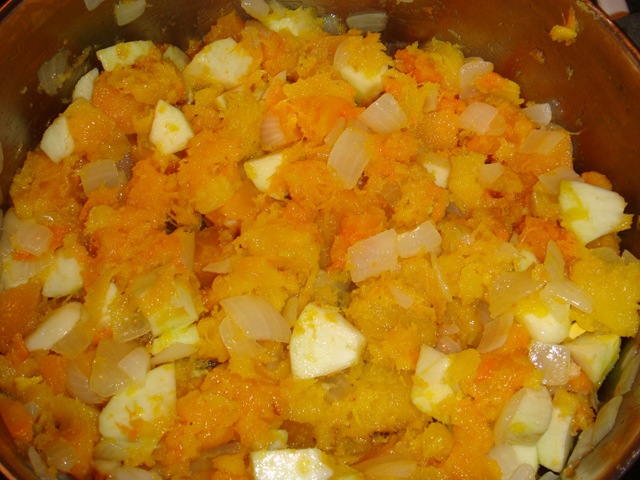
When they are soft, stir in the cooked, chopped squash and two chopped apples (they lend a nice sweetness to the soup).

.

.

Thin mixture by adding 2 cups of chicken broth, one can of coconut milk, and one cup of cream (for a wonderful richness). Cook until apples and squash are very soft. Use an immersion blender to create a smooth soup. Use can also use a blender, but you will have to work in batches. I added a mild Thai flavor to this soup by stirring in 2 tsp Thai red curry paste and 1 tsp fresh grated ginger. I also added a small amount of fresh thyme and some chopped Thai basil from our garden, now growing inside (chopped cilantro would also be great). Add additional chicken broth if soup is too thick.

DSC03959 We garnished this with some toasted pine nuts (sauté pine nuts in 1 Tbs coconut oil or butter until lightly browned).

RECIPES:

Pumpkin Quiche with Bacon & Asparagus

DSC03966

Unbaked Single Pie Crust
4 slices bacon
1 small onion, chopped
2 cloves garlic, minced
½ cup chopped asparagus
1 cup cooked, mashed pumpkin
1 cup heavy cream
4 eggs, lightly beaten
1 cup shredded Swiss cheese
½ cup shredded Parmesan cheese
½ tsp salt
¼ tsp pepper

Preheat oven to 425°F.

Chop bacon and cook until crisp. Remove from pan. Drain grease, reserving 1 Tbs of drippings in the pan. Sauté onion and garlic until softened, but not browned. Remove from heat. Stir in chopped asparagus. Cool slightly.

Mix mashed pumpkin and cream well (an immersion blender works great). Mix in eggs, cheeses, salt, and pepper. Stir in cooled bacon/vegetable mixture.

Pour into unbaked pie crust. Bake at 425°F for 15 minutes. Reduce heat to 350°F and bake for an additional 30 minutes, or until set. Cover edges of crust with foil or pie crust shield if they brown too quickly. Cool 10 minutes before slicing.

NoEmptyChairs.me

Thai Winter Squash Soup

DSC03959

2 Tbs coconut oil or butter
1 large onion, chopped
4 whole garlic cloves
4 cups cooked, mashed winter squash
(I used pumpkin, butternut, acorn and Delicata)
2 apples: peeled, cored and chopped
2 cups chicken broth
1 can coconut milk
1 cup heavy cream
1 ½ tsp salt (adjust to taste)
1/8 tsp ground coriander
2 tsp Thai red curry paste
1 tsp fresh minced ginger
1 tsp minced fresh thyme leaves
2 Tbs chopped fresh Thai basil (or chopped cilantro-I would use more of the cilantro, probably ¼ cup)
Toasted pine nuts

Heat coconut oil (or butter) in a stockpot. Sauté onion and garlic until soft. Add cooked squash and apples. Cook for 5 minutes. Stir in chicken broth and coconut milk and cook until apples are tender, about 10 minutes. (You could also use uncooked, diced squash and cook longer, until squash is very tender).

Blend soup to make a smooth puree (using an immersion blender or regular blender).

Add cream, salt, coriander, curry paste, ginger and thyme leaves. Cook 10-15 minutes, adding additional chicken broth if the soup is too thick.

Stir in Thai basil or cilantro just before serving.

Garnish with toasted pine nuts.

NoEmptyChairs.me

6 Comments

Filed under Breakfast/Brunch, Main Dishes, Soups/Stews/Curries

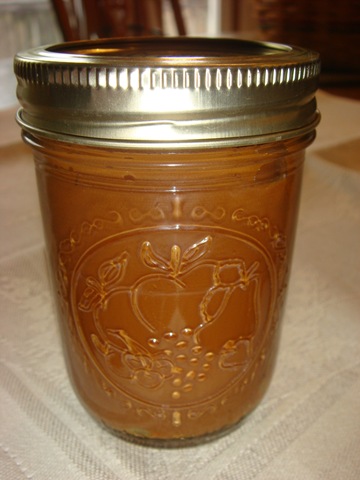
Dulce de Leche

DSC02455.jpg

**Below are six different ways to make Dulce de Leche. Click on the “METHOD” titles to go to the individual blog posts for more detailed instructions and pictures**

Dulce de Leche

DSC02455.jpg

STOVETOP METHOD:

Ingredients:

  • unopened cans of sweetened condensed milk

Preparation:

  1. Start with a large stockpot. Place a rack in the bottom of the pot (mine has a steamer insert that I used).
  2. Remove the labels from your sweetened condensed milk. Place unopened, label-free cans  into the bottom of your stockpot. You can use as many as will fit in one layer in your pot.
  3. Fill pot with room temperature tap water. Cover cans completely with water. The water level should be at least 2 inches above the cans.
  4. Cover the pot and bring to a boil. Reduce heat to a simmer. Cook, covered, for 3 hours.
    ***The water level must remain above the top of the cans. If not—this is when you end up cleaning caramel from exploding cans off of the top of your ceiling and every surface beneath it*** To ensure that you don’t forget that you are cooking when you go off and start another project, set a timer for 30 minutes. Check water level (add more boiling water, if necessary), then set the timer again for another 30 minutes. Continue setting the timer in 30 minute increments until the 3 hours are up.
  5. Remove pan from heat, remove lid, and let water cool for 30-60 minutes before removing cans.
  6. Unopened cans can be stored on a pantry shelf (use a marker to label cans). Opened cans need to be refrigerated.

CROCKPOT METHOD:

Ingredients:

  • Unopened cans of sweetened condensed milk

Preparation:

  1. Remove labels from sweetened condensed milk cans. Do not open cans.
  2. Place cans in the bottom of a crock pot.
  3. Cover cans completely with room temperature water. **Be sure that water completely covers cans**
  4. Place the lid on the crock pot and cook on low heat for 8 hours. (The water level in my crock pot stayed the same for the entire cooking time, so there was no need to add additional water.)
  5. Turn off crock pot, remove lid and let water cool 30-60 minutes before removing cans.
  6. Unopened cans can be stored on a pantry shelf (use a marker to label cans). Opened cans need to be refrigerated.

OVEN METHOD:

Ingredients:

  • One can of sweetened condensed milk

Preparation:

  1. Preheat oven to 425°F.
  2. Pour one can of sweetened condensed milk into a glass pie plate. Cover the pie plate securely with foil.
  3. Place foil-covered pie plate in a larger baking pan. (I used the bottom half of a broiler pan.)
  4. Place the pans on an oven rack and add hot water until it reaches the halfway mark of the pie plate.
  5. Bake for 60-90 minutes, adding more water if necessary

DOUBLE BOILER METHOD:

Ingredients:

  • One can of sweetened condensed milk

Preparation:

  1. Pour one can of sweetened condensed milk into the top of a double boiler.
  2. Fill the bottom of the double boiler with water and bring to a boil.
  3. Cover pan and cook over low heat for 50-60 minutes (or longer to get desired consistency).
  4. Stir mixture occasionally, until thick and caramel-colored.

PRESSURE CANNER METHOD:

Ingredients:

  • Cans of sweetened condensed milk

Preparation:

  1. Wash canning jars (a quick run through the dishwasher is a good way to sanitize them). Place new canning lids in a small pan of very hot water (bring water to a boil, then remove from heat and add lids).
  2. Open sweetened condensed milk cans and pour into canning jars, leaving 1/2” headspace. (Try not to lick the remaining sweet milk off of the can lids now-you don’t want to incorporate any germs into the jars. There will be plenty of time for licking when the jars are processing.)
  3. Wipe rims and edges of jars with a damp cloth to remove any milk that dribbled.
  4. Place lids and rings on jars.
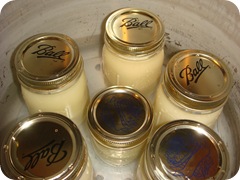
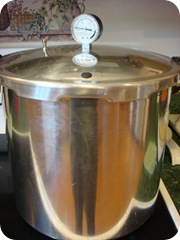
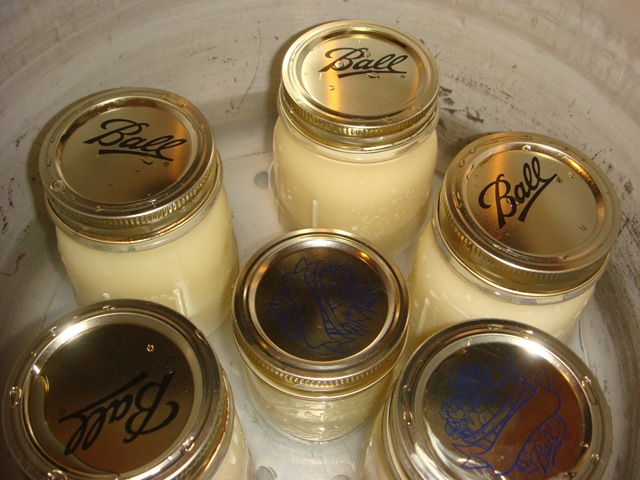
  5. Place filled jars on a rack in a pressure canner (YOU MUST USE A PRESSURE CANNER, NOT A BOILING BATH CANNER). Add 3 quarts of room temperature water. DO NOT BRING WATER TO A BOIL BEFORE ADDING JARS. Since you are not doing a “hot pack” (hot jars; hot filling; hot water), the jars WILL break if you place them directly into boiling water. Then you end up with a very large pot full of sticky, sugar milk/water. Leaving you to clean all of the other jars and the pot and start over. Not fun.
  6. Place the lid on the pressure canner and bring the water to a boil over high heat.
  7. After you have a steady steam flow through the vent pipe for 10 minutes, place the pressure regulator on the vent pipe.
  8. Continue to cook on high until pressure reaches 15 lb.
  9. Lower heat to maintain a constant 15 lb pressure. Keep an eye on the pressure gauge and adjust heat to maintain 15 lb of pressure. Cook for 20 minutes at 15 lb pressure. I used both pint and half-pint jars, and they both came out the same after 20 minutes.
  10. Turn off stove and remove pressure canner from heat. DO NOT OPEN. Let the pressure drop until the air vent/cover lock has completely dropped and no steam escapes when the pressure regulator is tilted (this took about 30 minutes for mine).
  11. When pressure is completely reduced, remove pressure regulator and open canner. Remove jars and set on the countertop on a clean towel.
  12. Let sit for 24 hours. Check seal. Refrigerate for added food safety.

HOMEMADE METHOD
(Adapted from Alton Brown):

Ingredients:

  • 4 cups (1 quart) whole milk
  • 1 ½ cups granulated sugar
  • ½ tsp baking soda
  • 1 vanilla bean, split

Preparation:

  1. Combine the milk and sugar in a heavy saucepan.
  2. Bring to a boil over medium heat. Do not stir.
  3. Remove from heat and use a skimmer to remove foam (a spoon or small ladle will work if you don’t have a skimmer).
  4. Add baking soda and split (but not scraped) vanilla bean to the pan.
  5. Cook, uncovered, over low heat for one hour, stirring often and skimming foam as necessary.
  6. Remove vanilla bean and continue to cook, stirring constantly, until mixture reaches desired thickness.  This will take about 60 minutes, depending on how thick you want your caramel. It will burn easily at this point, so be attentive!
  7. The dulce de leche is close to done when a spoon dragged through the mixture leaves a trail. It will thicken a lot as it cools. Test for consistency by dropping a small spoonful into a cup of ice water, or by placing a few drops on a plate that has been placed in the freezer.
  8. The original recipe calls for straining through a fine mesh strainer, but I skipped this step and it was still nice and smooth.

NoEmptyChairs.me

Leave a comment

Filed under Candy, Desserts, Tips and Tutorials

Dulce de Leche (Six Ways) PART THREE

DSC02455

Here we are at the last installment of making your own Dulce de Leche. You should definitely be feeling the sugar-rush effects now. Today we move into slightly more involved ways of making Dulce de Leche. Try PART ONE and PART TWO for some easier preparations. These last two methods take a little bit more effort, but are well worth it (every now and again, at least). They also involve a few “special equipment” items.

Neither of today’s methods involve unopened cans or water baths, so all is safe. Kind of. Unless you count the possibility of botulism. But we will get into that in a minute. Scroll to the bottom for my final recommendations.

Today we are looking at making dulce de leche:

  • in jars in a PRESSURE CANNER
  • HOMEMADE

.

PRESSURE CANNER

(from a can but sealed in jars)
DSC03704.JPG-2

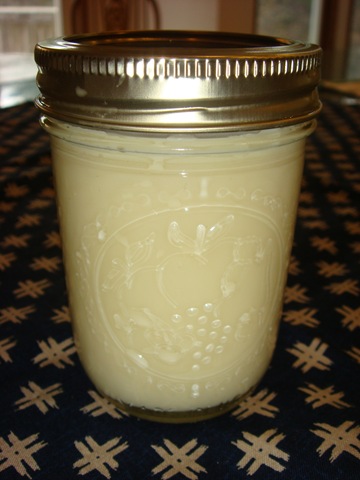
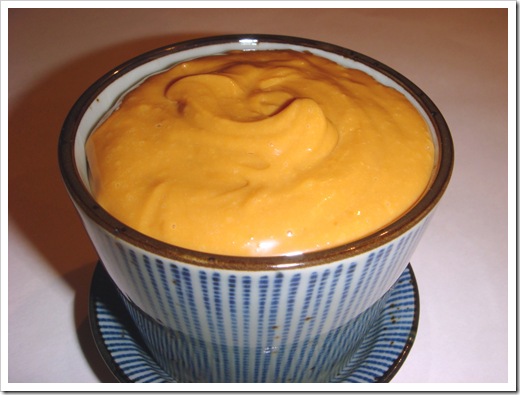
In trying this method, I was hoping for the same taste as the boiled unopened cans. But the cans do not come out of a boiling water bath looking very attractive. So how to present these as attractive gifts? Pressure canning is what I came up with. This is another method with a big DISCLAIMER. The USDA does NOT recommend canning milk products. I did find several sites giving instructions (not USDA approved) for canning regular milk and cheese. Granted, most of these were homesteading sites. So I am throwing caution to the wind and trying it. I figure that on my side in the not-ending-up-with-botulism argument are the following points:

  • I am starting with an already canned milk product, not fresh milk.
  • There is so much sugar in sweetened condensed milk that it would take a lot to make it spoil.
  • I have canned meat successfully, and it is approved by the USDA if using a pressure canner.
  • Butter can be canned, and it is a milk product.

These are my justifications for making this and letting the jars sit on a shelf in my basement. As part of this ongoing experiment, I will force myself to open a jar of this dulce de leche every month or so to make sure they are still edible. But my official recommendation to you is to refrigerate these jars after canning them. Then there is no possible food-safety issue.

Also, please refer to the instruction manual for your specific pressure canner before attempting this recipe. I am including the basic instructions for using mine. DO NOT USE A BOILING BATH CANNER. THAT WILL DEFINITELY EARN YOU A CASE OF FOOD POISONING.

  1. Wash canning jars (a quick run through the dishwasher is a good way to sanitize them). Place new canning lids in a small pan of very hot water (bring water to a boil, then remove from heat and add lids).
  2. ODSC03600pen sweetened condensed milk cans and pour into canning jars, leaving 1/2” headspace. (Try not to lick the remaining sweet milk off of the can lids now-you don’t want to incorporate any germs into the jars. There will be plenty of time for licking when the jars are processing.)
  3. Wipe rims and edges of jars with a damp cloth to remove any milk that dribbled.
  4. Place lids and rings on jars.
  5. DSC03602Place filled jars on a rack in a pressure canner. Add 3 quarts of room temperature water. DO NOT BRING WATER TO A BOIL BEFORE ADDING JARS. Since you are not doing a “hot pack” (hot jars; hot filling; hot water), DSC03585the jars WILL break if you place them directly into boiling water. Then you end up with a very large pot full of sticky, sugar milk/water. Leaving you to clean all of the other jars and the pot and start over. Not fun.
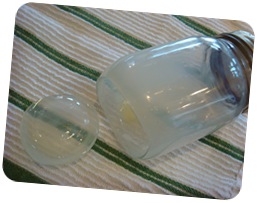
  6. Place the lid on the pressure canner and bring the water to a boil over high heat.
  7. DSC03606After you have a steady steam flow through the vent pipe for 10 minutes, place the pressure regulator on the vent pipe.
  8. Continue to cook on high until pressure reaches 15 lb.
  9. Lower heat to maintain a constant 15 lb pressure. Keep an eye on the pressure gauge and adjust heat to maintain 15 lb of pressure. Cook for 20 minutes at 15 lb pressure. I used both pint and half-pint jars, and they both came out the same after 20 minutes.
  10. Turn off stove and remove pressure canner from heat. DO NOT OPEN. Let the pressure drop until the air vent/cover lock has completely dropped and no steam escapes when the pressure regulator is tilted (this took about 30 minutes for mine).
  11. DSC03611 When pressure is completely reduced, remove pressure regulator and open canner. Remove jars and set on the countertop on a clean towel.
  12. Let sit for 24 hours. Check seal. Refrigerate for added food safety.

.

.

.

.

HOMEMADE

(no cans here)

DSC03684

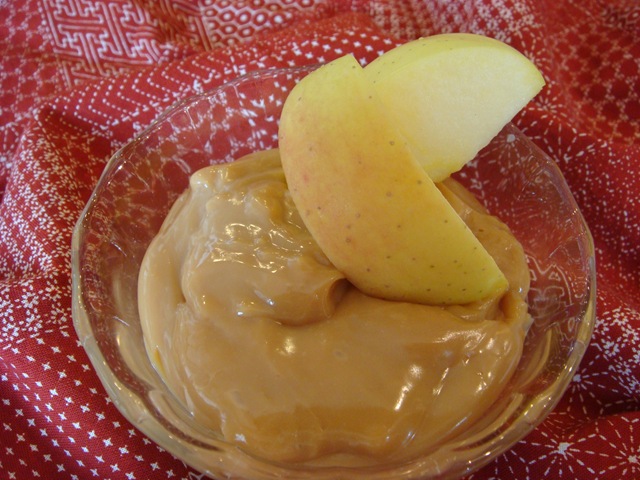
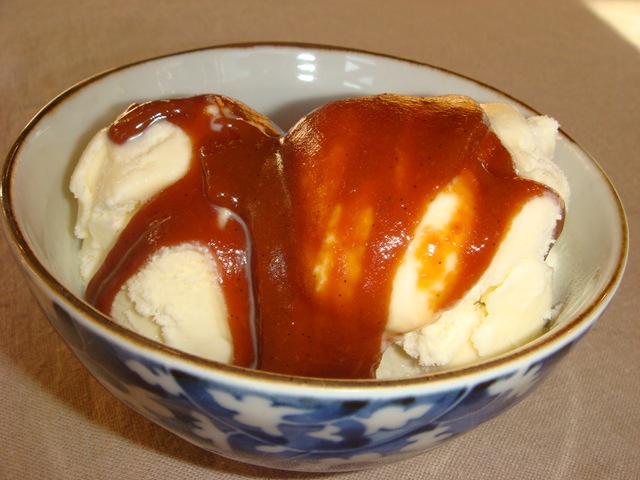
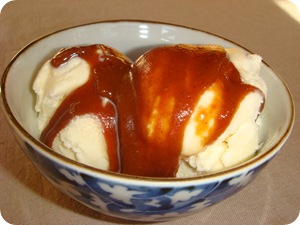
This is the first “recipe” for dulce de leche that I’ve made with actual ingredients. This is adapted from a recipe from Alton Brown. It is a lot more time consuming than any of the other methods, but is it ever worth it! This was truly decadent! Don’t you just love the vanilla bean flecks? As the other methods produced a caramel that was more of a dipping or spreading consistency, I wanted this one to be one that I could pour. DSC03755 On ice cream, for example. The only tricky part of this recipe is knowing when to remove the dulce de leche from the heat. Leave it too long and you end up with caramels suitable for cutting (not all bad either) and more susceptible to turning “sugary”. Don’t cook it long enough and you end up with a brown-colored-sweet-milky syrup. Not really dulce de leche.
The only two drawbacks to this method are the time involved (lots of standing at the stove stirring the pot), and the fact that you can only make one batch at a time, which will need to be refrigerated.

Ingredients:

  • 4 cups (1 quart) whole milk (don’t skimp here!)
  • 1 ½ cups granulated sugar
  • ½ tsp baking soda
  • 1 vanilla bean, split

Preparation:

  1. Combine the milk and sugar in a heavy saucepan.
  2. Bring to a boil over medium heat. Do not stir.
  3. DSC02526 Remove from heat and use a skimmer to remove foam (a spoon or small ladle will work if you don’t have a skimmer).
  4. Add baking soda and split (but not scraped) vanilla bean to the pan.
  5. DSC02532Cook, uncovered, over low heat for one hour, stirring often and skimming foam as necessary.
  6. Remove vanilla bean and continue to cook, stirring constantly, until mixture reaches desired thickness.  This will take about 60 minutes, depending on how thick you want your caramel. It will burn easily at this point, so be attentive!
  7. DSC03652 The dulce de leche is close to done when a spoon dragged through the mixture leaves a trail. It will thicken a lot as it cools. Test for consistency by dropping a small spoonful into a cup of ice water, or by placing a few drops on a plate that has been placed in the freezer.
  8. The original recipe calls for straining through a fine mesh strainer, but I skipped this step and it was still nice and smooth.

DSC03755

Concluding Thoughts:

While this was a fun experiment, it is not recommended for your waistline. Thank goodness I had a recovering swine flu victim (who was down 15 pounds) that I could push this onto to “test” for me. He is back up to normal weight now. You’re welcome, Brian!

My recommendations:

The homemade dulce de leche was definitely superior to the ones made with sweetened condensed milk. But I am likely to only make this on special occasions, when I plan on eating it directly on top of something where the flavor will really shine (and not incorporated into a recipe-that would be a huge waste). It is pretty time consuming, as it needs to be watched (and sometimes stirred) throughout the entire process.

The pressure canner method is a great way to prepare dulce de leche that you plan on giving to friends. Great flavor.

I didn’t care for the oven method at all (no more oven water baths for me), and was only slightly more impressed with the double boiler method. But I may have to give that one another chance.

Practically, the stovetop and crock pot varieties were easiest to make and the best tasting (non-homemade) varieties. They were easy to prepare, and I love that you can do a bunch of cans at one time, and then have them available to grab out of your pantry any time.

The crock pot version gets my overall best pick. That will be my go-to dulce de leche from now on. But the homemade version wins hands down on flavor. So it will definitely have a place in my recipe files.


 

5 Comments

Filed under Condiments/Sauces, Desserts