Category Archives: Canning/Freezing

Overnight Whole Wheat Blender Pancakes with Raspberry Nectarine Jam

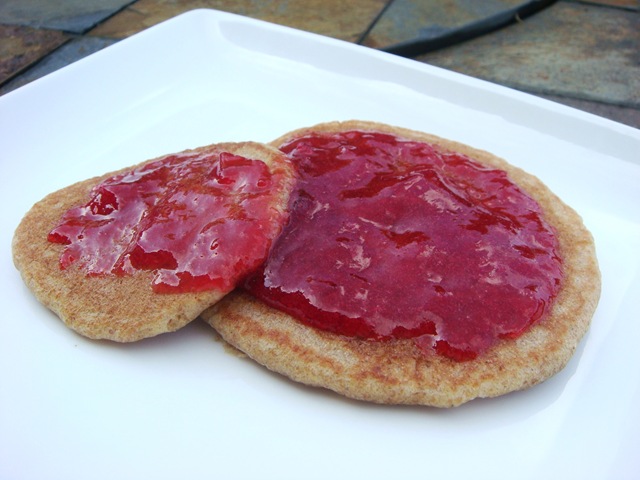
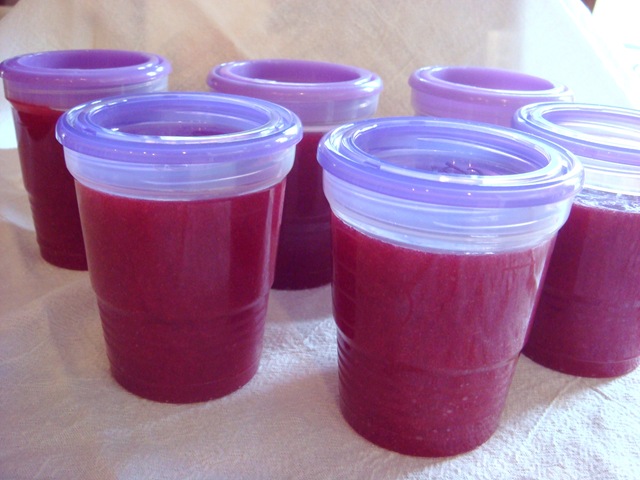
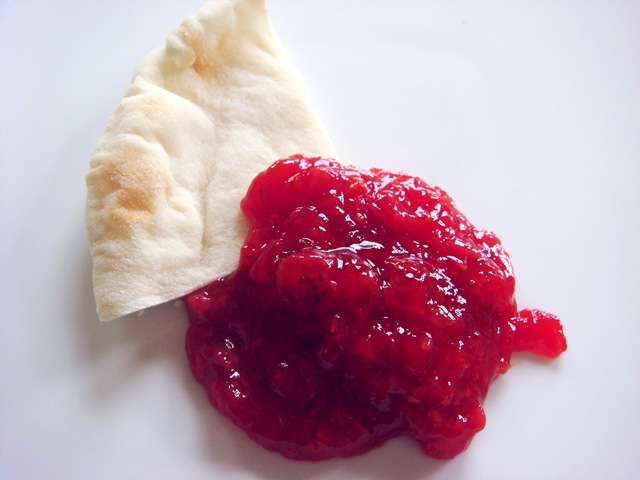
072210 031-1 Another jam we made last week was a seedless raspberry nectarine freezer jam (recipe from Kitchen Simplicity via Simple Bites). The flavor of the nectarines really complimented the raspberries. It did not set quite as firmly as some other jams, but that was perfect on these pancakes!

Next year I will definitely make this jam again, but I will try to make it lower sugar and as a regular canned jam, instead of a freezer jam.

072210 015-1 I love these freezer containers from Ball! Perfect for jam.

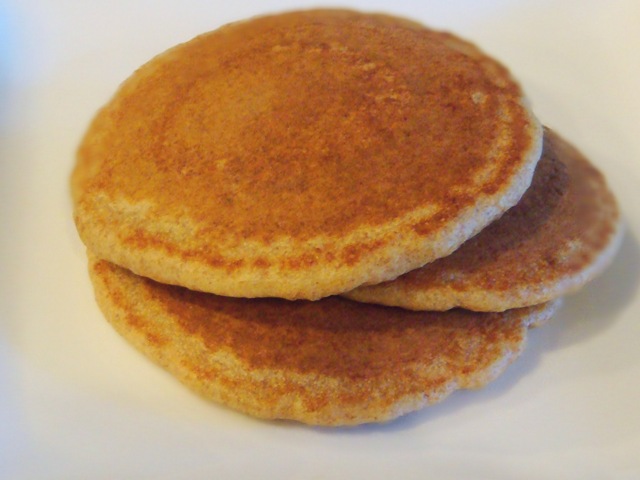
Little A wanted pancakes with jam and sausage for his birthday breakfast on Thursday. This sweet jam was a perfect topping for these healthy, but delicious, pancakes.

072210 055-1

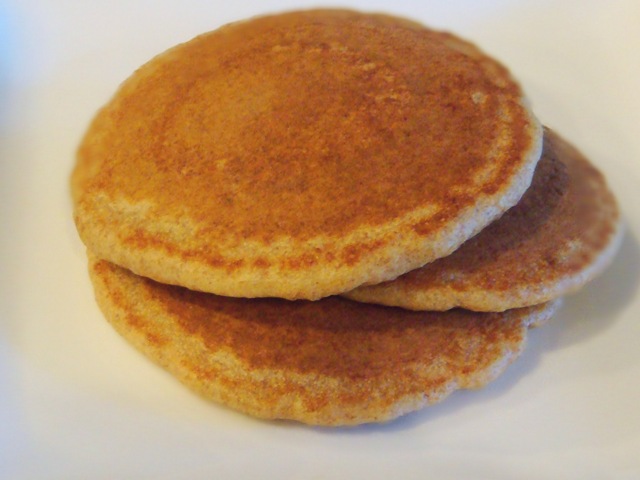
I make these pancakes with kefir and whole wheat berries, blending them and then letting the mixture sit overnight. A quick blend again in the morning with an egg and some leavening, and they were ready to throw on the griddle!

They can also be made all in the same day, but the batter thickens up more if it is allowed to sit. For a slightly different flavor, try using other grains; often I will add some whole oat groats in place of part of the wheat.

072210 061-1

RECIPES:

Raspberry Nectarine Freezer Jam

  • Servings: Makes 6 Half-Pint Containers
  • Print

072210 031-1072210 015-1

3 nectarines, pitted and chopped (do not peel)
2 cups raspberries
1 Tbs lemon juice
4 cups sugar, divided
¾ cup water
1  package powdered fruit pectin

Use a blender or food processor to puree nectarines and raspberries. Strain through a sieve to remove seeds.  Add lemon juice and 2 cups sugar; let sit 10 minutes.

Stir water, pectin, and 2 cups sugar together in a small saucepan. Bring to a hard boil; boil for 1 minute.

Stir into fruit mixture for 2 minutes or until sugar is dissolved.

Spoon into freezable containers and allow to sit, sealed, at room temperature until set (up to 24 hours).

Store in the fridge for 3 weeks or in the freezer for 6 months.

Yield: about 6 half-pint containers

Adapted from Simple Bites

NoEmptyChairs.me

Whole Wheat Blender Pancakes

072210 061-1

1 cup wheat berries, oat groats, rolled oats or other whole grain
1 ¼ cups kefir or buttermilk or 1 cup milk
¼ cup melted butter or coconut oil
2 eggs
1 tsp baking powder
½ tsp salt
¼ tsp baking soda
1 tsp vanilla extract
1 Tbs honey or 1 pkt Stevia

Combine wheat berries (or other grains) and kefir (or buttermilk or milk) in a blender. Blend for 2-3 minutes. Let the mixture of grain and milk sit on the counter for 1 hour or overnight (refrigerate if using regular milk).

After letting the mixture sit, blend the grain/milk mixture again for about 1 minute.  While blender is running, add the egg and melted butter. Add baking powder, salt, baking soda, vanilla, and sweetener and blend just until combined.

Cook pancakes on a hot griddle.

Makes about 12 pancakes

NoEmptyChairs.me

Leave a comment

Filed under Breakfast/Brunch, Canning/Freezing, Condiments/Sauces

Low Sugar Strawberry Citrus Jam

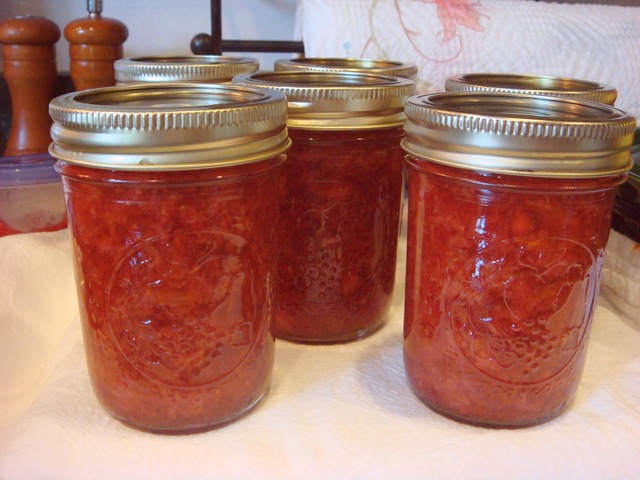
072210 028-1 Summer is in full swing here; temperatures hover between 85° and 90°, with humidity levels making it feel a good 10 degrees hotter. So have we been hanging out at the swimming pool, or in the sprinkler? Or finding nice, cool activities to do inside? No-we’ve been canning! Seeing just how hot we can get the kitchen with multiple pots of boiling water and macerated fruit. I do have some great helpers in this effort. Mashing fruit with the potato masher is quite a coveted job around here!

And it will all be worth it come January when we are snowed in, cracking open a little bit of summer in a jar.

I tried several new jam recipes this week, including this Strawberry Citrus Jam. Made with strawberries and and a chopped orange (plus peel), it is quite tart. Not so tart that the kids wouldn’t eat it, however. They really like it. I do too. And I love how the orange really brought out the color of the strawberries. I make most of my jams low sugar (substituting all but one cup of sugar with stevia), and the lower sugar often makes the jam less bright and clear. But the added citrus really brightened up this jam!

If you do try this jam, take a taste before you add it to your jars, and adjust the sweetness to your liking.

072210 008-1

RECIPE:

Low Sugar Strawberry Citrus Jam

  • Servings: Makes 6 Half-Pint Jars
  • Print

072210 028-1

1 large orange
4 cups crushed strawberries (measure after crushing)
1 Tbs lemon juice
1 cup sugar
½ tsp powdered stevia
1 box low-sugar fruit pectin

Grate zest from orange into a large saucepan (you should have about 2 tsp). Cut white rind from orange; discard. Chop orange pulp and add to the saucepan. Stir in crushed strawberries, lemon juice, sugar, and stevia.

Optional step: Let fruit/sugar mixture sit for 1 hour to overnight (place in the refrigerator if you are going to let it sit overnight). Letting the fruit sit in the sugar will help sweeten the individual fruit bits. It also helps keep the fruit bits from settling in your finished jam.

Stir pectin into fruit mixture. Bring to a hard boil (bubbles don’t stop when jam is stirred) over medium-high heat. Boil hard for 3-4 minutes, stirring constantly. Remove from heat.

NOTE: This is a tart jam. Try the jam at this point. If it is not sweet enough, add additional stevia or sugar. If you add additional sweetener, return jam to a hard boil before filling jars.

Ladle jam into sterilized jars. Wipe rims; add lids and rings. Process in a boiling water bath for 10 minutes. Let jars sit on a towel on kitchen counter for 24 hours to set. Check seal.

Yield: 6 half-pint jars

Adapted from Big Black Dog

NoEmptyChairs.me

Leave a comment

Filed under Canning/Freezing, Condiments/Sauces

Dulce de Leche (Six Ways) PART ONE

DSC02455

So what do you do when swine flu rages in your house for SIX WEEKS,  often leaving you housebound with feverish, coughing demanding children (and one spouse), eventually leading to bronchitis and pneumonia?  I mean besides trying to hide Tylenol in Gatorade for the medicine-hating little people in the house.

What else – experiment with Dulce de Leche!

With hours of time on my hands, it seemed like the perfect opportunity to play with milk, sugar, vanilla beans and lots and lots of sweetened condensed milk.  Eagle Brand sweet milk was on sale 2/$3, so I stocked up! I will admit to some embarrassment explaining to the check-out girl why I had 20 cans of sweet milk in my cart. Can’t people just mind their own business in the grocery store?

The following post is not for the faint of heart, or risk-adverse home chef. We are talking about risking exploding cans, shattered jars, and possibly a little botulism thrown in for good measure. Not to mention the risk of covering your kitchen in oozing-sticky-wonderful-caramel heaven! Or the temptation to sit and eat this stuff straight out the can.

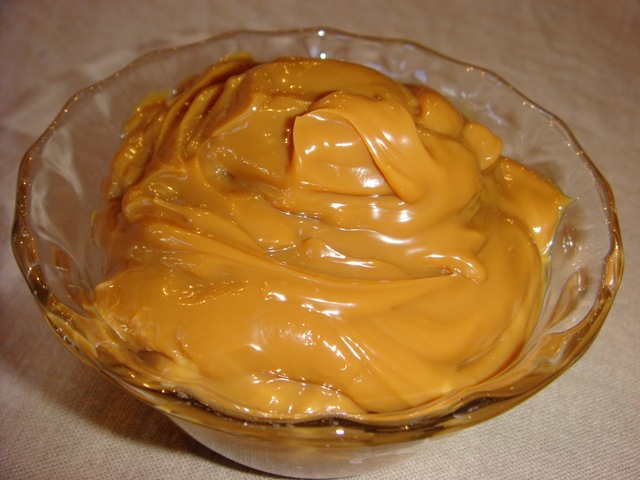
Dulce de Leche (pronounced Dool-say De Lechay) is a caramelized milk that originated in Latin America. Nestle sells it premade in a can, often found in the ethnic section of the grocery store (by the Latin foods). But, as I have found, it is very easy and much cheaper to make at home. I will show you how to make it SIX different ways, so there is something here for everyone, even those who are not willing to risk exploding cans. And for the true gourmet, who wouldn’t dream of starting with a can, there is even a homemade option (which really is to die for).

In short the six ways that I tried are:

  • STOVETOP (in the can)
  • CROCKPOT (in the can)
  • OVEN (from a can, but not still in the can)
  • DOUBLE BOILER (from a can, but not still in the can)
  • PRESSURE CANNER (from a can, but in a jar)
  • HOMEMADE (no cans here)

DSC02403

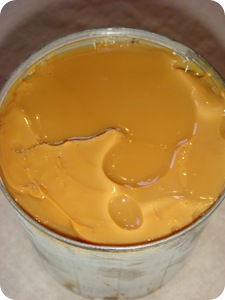
This is “the can”. Who knew that such an innocuous looking can could have the potential for such greatness!

So, on to the results. You might want to get up and make yourself a snack first; this is an exhaustive study of the process of turning milk and sugar into one of the most wonderful creations ever! Today I will share the first two (danger of exploding cans) methods. Besides the taste, what I love about these two methods is that you can make a lot at one time. And then the cans are shelf stable. They sit waiting, patiently, for when you need a can for that perfect recipe (and you don’t have a few hours to whip up fresh dulce de leche) or when the apple on your lunch plate is just calling out for something to dip itself in.

Stay tuned later this week for methods three – six.

.

.

STOVETOP (in the can)

DSC01756

This method is easy, but is only for those who like to flirt with danger. It is actually only dangerous if you forget to check on your water levels, but I will give my disclaimer now that Borden (the company that makes Eagle Brand sweetened condensed milk) does NOT recommend this method for making Dulce de Leche. Since they don’t recommend it, I don’t either (but I will still make it!)

  1. Start with a large stockpot. Place a rack in the bottom of the pot (mine has a steamer insert that I used). Many websites that give this method do not use a rack in the pot. The first time I made it without a rack, and the caramel in the bottom of my cans ended up slightly on the burned side. I did use a terrible thin pot, so if you have a nice thick one, this might not be a problem for you. But the second time around, I used a rack and the caramel cooked evenly through the can. The rack also kept the cans from making terrible noise as the water came to a boil.
  2. DSC01777Remove the labels from your sweetened condensed milk. Place unopened, label-free cans  into the bottom of your stockpot. You can use as many as will fit in one layer in your pot.
  3. Fill pot with room temperature tap water. Cover cans completely with water. The water level should be at least 2 inches above the cans.
  4. Cover the pot and bring to a boil. Reduce heat to a simmer. Cook, covered, for 3 hours.
    ***The water level must remain above the top of the cans. If not—this is when you end up cleaning caramel from exploding cans off of the top of your ceiling and every surface beneath it*** To ensure that you don’t forget that you are cooking when you go off and start another project, set a timer for 30 minutes. Check water level (add more boiling water, if necessary), then set the timer again for another 30 minutes. Continue setting the timer in 30 minute increments until the 3 hours are up.
  5. Remove pan from heat, remove lid, and let water cool for 30-60 minutes before removing cans.
  6. DSC01751.jpgUnopened cans can be stored on a pantry shelf (use a marker to label cans). Opened cans need to be refrigerated.

.

.

.

.

.

.

CROCKPOT (in the can)
DSC02496

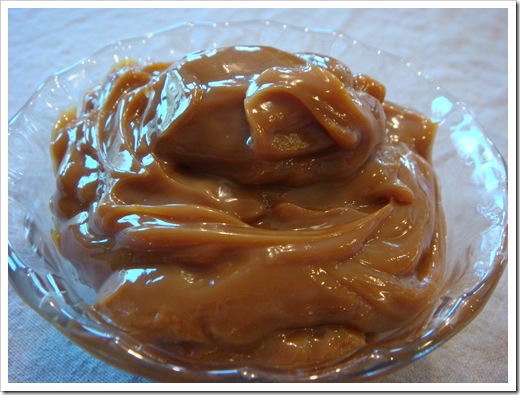
As this is another “cooked in an unopened can” method, I will refer you to the disclaimer above. . .  Now that I have not recommended that you use this method, let me tell you how much I loved this! It was easy. easy. easy. And delicious!

  1. Remove labels from sweetened condensed milk cans. Do not open cans.
  2. Place cans in the bottom of a crock pot.
  3. Cover cans completely with room temperature water. **Be sure that water completely covers cans**
  4. Place the lid on the crock pot and cook on low heat for 8 hours. (The water level in my crock pot stayed the same for the entire cooking time, so there was no need to add additional water.)
  5. Turn off crock pot, remove lid and let water cool 30-60 minutes before removing cans.DSC02492
  6. Unopened cans can be stored on a pantry shelf (use a marker to label cans). Opened cans need to be refrigerated.

..

.

.
DSC02503

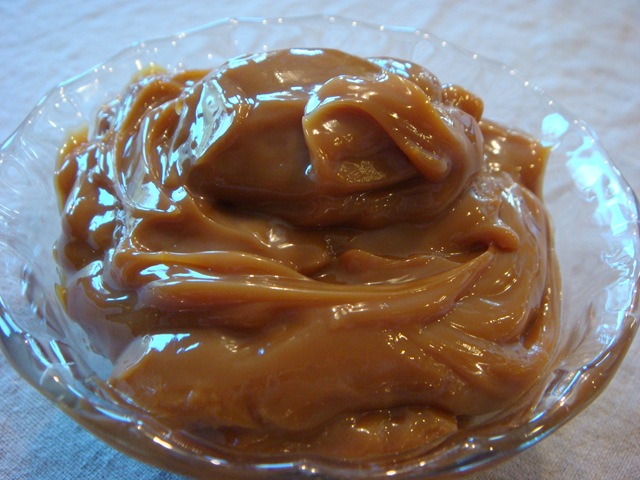
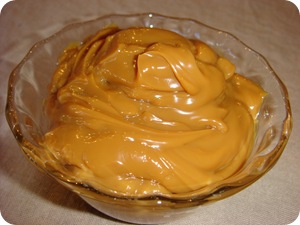
Both of these methods produced a dulce de leche that was delicious! It was thick and rich and a wonderful caramel color. Of the two, cooking it in the crock pot was the easier method.  Even though it takes a little longer, it was easier than worrying about maintaining water levels. If you do choose to try one of these methods, just remember to keep cans completely covered with water and let the cooking water cool slightly before removing cans. This will help to reduce “temperature shocks” which could cause the cans to burst.

NoEmptyChairs.me


3 Comments

Filed under Canning/Freezing, Condiments/Sauces, Desserts

Low-Sugar Peach Butter

DSC02211

uthcjam2009I know that summer is long gone and buying good, fresh peaches is no longer an option for most of us. But I wanted to submit this recipe to Aimée’s  (Under the High Chair) Virtual Jam Swap. What a fun way to showcase fresh fruit from around the country (world?) and how to preserve them in one of my favorite forms: homemade jam!

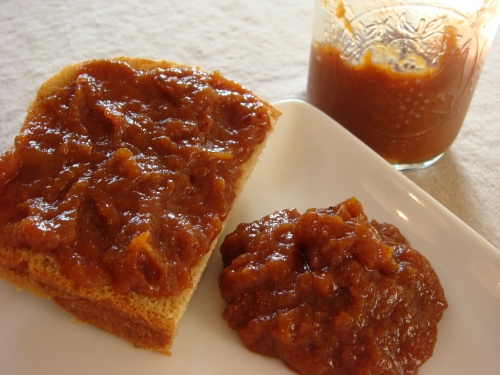
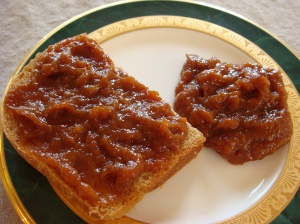
I like Apple Butter, but Peach Butter is my all-time favorite. It has some of the same flavors as the apple butter, but is so much richer and has a full body that apple butter just can’t touch! I make most of my jams with a reduced amount of sugar, using  Stevia (a naturally sweet herb) to provide most of the sweetness. I have not been successful, however, canning with only Stevia and no sugar. The jam seems to need at least some sugar to help it gel properly and to provide some of the “sheen” that makes jam look so good. So I use a substantially reduced amount of sugar and a little Stevia (a little goes a LONG way).

Peach/Apple Butter are great, but much more time consuming than regular jam. With five kids running around making constant demands, I am not very good at stirring and watching a pot closely for hours at a time. So I make this jam in the crockpot. It takes a good long time – at least 12 hours, sometimes 24, depending on your crock-pot and how humid your house is. But if I only need to stir it every hour or two, that I can handle.

DSC01559I use a large crock-pot, about 6 quarts to make this jam. I end up getting between 7 and 9 half-pint jars in the end. This will depend on how thick you like your peach butter and how full you fill your crock-pot. I used 25 peaches (almost 1 peck) for this batch. Free-stone peaches are much easier to work with than cling peaches, but since the peaches will be crushed, either variety will produce a great result. It just depends on how much you want to work to remove those pits!
Start with peeling your peaches: Bring a pot of water to a boil, reduce heat and maintain a slow simmer. Drop (carefully!) peaches into the boiling water for 30-60 seconds. Remove with a slotted spoon to a large bowl of ice water. Let peaches sit in the cold water for a few minutes. The peels should come off easily now. Cut peaches in half and remove the pit. You can place the peach halves directly into your crock-pot, or slice/chop them a little so that you can pack even more peaches in the pot. I usually use the most sophisticated method of crushing the peach halves in my hand (freshly washed, of course).

Stir in your sweetener (sugar and/or Stevia) and some seasonings to taste: I like cinnamon, cloves and allspice.

Turn your crock-pot on low and cook with the lid OFF for 12-24 hours. Humidity will greatly affect how long it takes your peach butter to thicken. If your crock-pot begins to splatter (I don’t have a problem with this, but the low setting on my crock-pot seems REALLY low), you can place a splatter screen over the top, or put the lid on only partway.

Stir occasionally and enjoy the delicious smell all day long. When peaches become very soft and start to thicken, I use an immersion blender to make a smooth spread. You could also use a food processor or blender, but be careful as it is very hot.

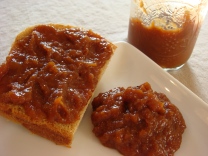
DSC02189Continue to cook until peach butter is thick. It will become a gorgeous caramel color, and a spoon drawn through the mixture will leave a trail. The exact consistency is up to your personal preference. Taste and adjust spices as desired.
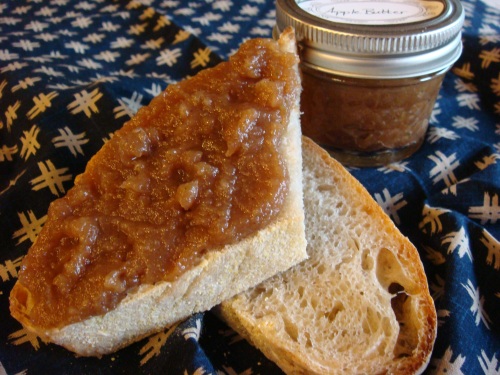
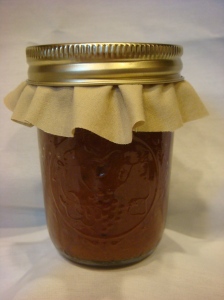
If you are canning the peach butter, prepare your jars and lids and boiling bath. Fill jars to within 1/8″ of rim. Wipe rims of jars (or they won’t seal properly). Place lids on jars. Place jars  in a boiling bath canner. Return water to a gentle boil and process 5 minutes. Cool  on a towel on your kitchen counter for 24 hours. Check seal.

Enjoy!

RECIPE:

Peach Butter

  • Servings: Makes 7-9 half pint jars
  • Print

DSC02211

Peaches (about 25 for a large 5-6 qt crock-pot)
1-2 tsp ground cinnamon
¼ – ½ tsp ground cloves
1/8-1/4 tsp ground allspice
1 cup sugar
½ tsp powdered Stevia extract (or about 2-3 cups additional sugar)

Peel peaches (dip in boiling water for 30-60 seconds, then put into large bowl of ice water). Cut peaches in half and remove pits; slice peaches, if desired. Fill a crock pot with as many peaches as it will hold (leaving about 1” at the top). Stir in spices and sweeteners (proportions are for a large 5-6 quart crock pot). (NOTE: Start with a small amount of sugar/sweetener, as sweetness of peaches and personal tastes will vary. You can add more sweetener later, after the peach butter has reduced, if you want it sweeter) Set the crock pot on low or medium. Let it cook, without the lid, for 12-24 hours (cover with a splatter-guard if necessary). Stir occasionally.

When cooked and reduced, use an immersion blender to make a smooth peach butter (or leave it coarse, if preferred). Taste and adjust sweetness and spices. If butter gets too thick, add a little fruit juice. If mixture is still too thin, cook longer or transfer to a saucepan and gently boil (stirring constantly) until reduced.

Ladle hot mixture into jars, leaving 1/8” headspace. Wipe rims of jars. Place lids on jars.

Place in a boiling bath canner or steam canner. Return water to a gentle boil. Process 10 minutes. Cool on a towel on kitchen counter for 24 hours. Check seal.

Yield: 8-10 half-pint jars

NoEmptyChairs.me

12 Comments

Filed under Canning/Freezing, Condiments/Sauces

Apple Butter (or Applesauce if you quit halfway through)

DSC02635

One more apple recipe (actually two, because you can make either applesauce or apple butter with this recipe.

There are two ways to make apple butter (many more than two actually, but two main ways): with a food mill or without a food mill. I highly recommend using a food mill. It saves tons of time on the initial prep work, and is easier on the finishing end as well.

DSC026412What to do if you don’t own a food mill? Borrow one from a friend (Many thanks, Sherry!). Still don’t have a food mill? You can still make this recipe, just get out your apple peeler and start peeling (and have a food processor or blender handy).

If you are using a food mill you can skip the whole apple peeling and coring process. Just cut your apples into about 8 chunks/slices and place in a roasting pan. The peels and core are full of pectin and will help the apple butter set (but it will still set if you are using peeled apples). The recipe I like is adapted from the cookbook Cooking with Shelburne Farms.

Roast the cut apples with cinnamon sticks and pure maple syrup for a fabulous flavor. Grade B maple syrup is actually recommended in the cookbook because it has a stronger maple flavor, but I only had Grade A, so that is what I used.

When the apples are soft they are ready to go through the food mill (remove cinnamon sticks) or food processor. A food mill will automatically separate the good part of the apples from the skin/seeds/core.

STOP!

You have just made applesauce. Go ahead, taste it! You can stop now, or keep cooking to make apple butter.

DSC02637Return the applesauce to the roasting pan (with more maple syrup and ground spices) and cook for 60 – 90 minutes, stirring often, until apple butter is thick and caramel colored. It is done when a spatula drawn through the mixture leaves a clean trail.

The apple butter can be processed in jars in a boiling bath canner, frozen in plastic containers, or stored in the refrigerator.

RECIPE:

Apple Butter or Applesauce

DSC02635

1 peck apples (about 10 lb)
1 cup apple cider
1 cup maple syrup, divided
4 whole cinnamon sticks
2 tsp ground cinnamon
½ tsp ground cloves
½ tsp ground allspice

Preheat oven to 350°F.

Cut apples into wedges and place in a large roasting pan (if you do not have a food mill, peel and core apples as well). Place cinnamon sticks on the apples and drizzle with the apple cider and ½ cup maple syrup (use more for really tart apples).

Roast 45 minutes, or until apples are very soft. Remove cinnamon sticks. Reduce oven temperature to 300°F.

Use a food mill to puree the apples (it will remove the skins and seeds). If you do not have a food mill, place peeled, cooked apples in a food processor and blend until well mixed. Stir in additional ½ cup maple syrup, ground cinnamon, cloves and allspice, and any liquid left in the roasting pan.

Return apple mixture to roasting pan, spreading mixture evenly (to avoid burned places). Cook for 60 – 90 mins, stirring every 15 – 20 minutes. Apple butter is done when a spatula can be drawn through it and leave a clean path. Taste and add additional spices and syrup, if desired.

  • Alternately: place pureed mixture, maple syrup, and spices in a crockpot. Cook over high heat with the lid removed for 8-10 hours, or until mixture is thick enough to draw a spatula through.

Process in a boiling bath canner for 10 minutes (for half-pint jars), if desired.

Makes 6-8 half-pint jars (depending on how thick you like your apple butter)

FOR APPLE SAUCE:
Roast apples as above (with maple syrup and cinnamon sticks) and process through food mill. That’s it. You’re done. You can add additional ground cinnamon, if desired.

To can applesauce in quart jars: process in a boiling water bath for 20 minutes.

Makes about 4 quarts applesauce.

NoEmptyChairs.me

Leave a comment

Filed under Canning/Freezing, Condiments/Sauces

Roasted Green Tomato Salsa

DSC01882

The weatherman is predicting snow for Western Pennsylvania sometime over the next few days, with nights dipping into the low-30’s. So it was time to finally bring in all of the green tomatoes on our vines. With a super wet, cool spring and summer, I wasn’t sure if we would get any tomatoes at all this year. Leaves started turning yellow then brown much earlier than usual, and I didn’t get nearly the volume of tomatoes as most years. And since they ripened later, we have an extra surplus of green tomatoes about to be killed by frost.

DSC01501

DSC01502

Unfortunately, my kitchen countertops are all on interior walls, and I have very shallow windowsills, so trying to ripen all of these green tomatoes indoors is going to be difficult.

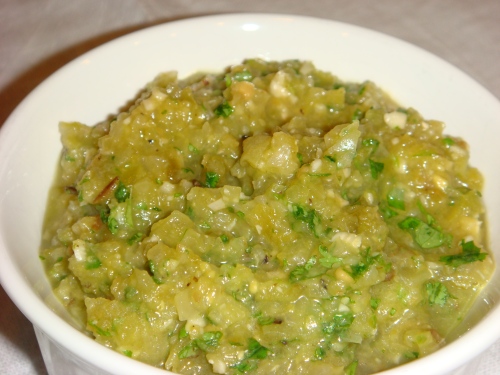
So I decided to try making my Salsa Verde using the green tomatoes instead of tomatillos. I will admit that I prefer the taste of tomatillos to the green tomatoes, but this salsa still tastes great! It should also make some great enchiladas verdes.

Start by washing the tomatoes and removing the stems. I left the really small tomatoes whole, but cut the rest in half. Place tomatoes on a  baking sheet brushed with olive oil. Brush tops of tomatoes with a small amount of olive oil as well.

DSC01576

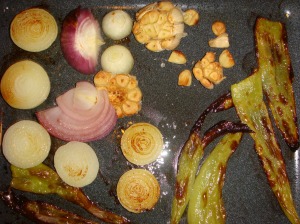
Place onions, garlic and hot peppers on a second roasting pan. Brush with olive oil. NOTE: There are more onions and garlic on this pan than I actually used in the salsa. The rest I used in another dish.

DSC01577

DSC01582

Roast at 475°F (using a convection oven, if available) until tomatoes, onions, and hot peppers just begin to blacken, about 10-15 DSC01579minutes.

Place tomatoes, 2 onions, 4 cloves of garlic, and the hot peppers in a food processor. There is no need to peel tomatoes or peppers. (The onions should have been peeled before roasting)

DSC01590

Pour salsa into a bowl and add 1 cup packed cilantro, finely chopped (I did this in the food processor as well).

DSC01868

Stir in 1/3 cup fresh lime juice, 1 ½ tsp salt, and some fresh ground pepper. Add additional green tabasco sauce, if desired, for more heat.

DSC01875

RECIPE:

Roasted Green Tomato Salsa (or Salsa Verde)

DSC01882

3 lb green tomatoes (about 12 tomatoes) or tomatillos for real Salsa Verde
2 onions, red or yellow, peeled and cut in half
3 hot peppers, seeded and cut in half
4 cloves garlic, peeled (or roast whole garlic head and then just use 4 cloves)
1 cup packed cilantro, chopped
1/3 cup fresh lime juice
1 ½ tsp salt
Fresh ground pepper, to taste
Green tabasco sauce, for additional heat, to taste

Preheat convection oven (if available) to 475°F.

Wash the tomatoes and remove any stems. Cut tomatoes in half (I left the really small ones whole). Place tomatoes, cut side down, on a  baking sheet brushed with olive oil. Brush tops of tomatoes with a small amount of olive oil as well.

Place onions, garlic, and hot peppers on a second roasting pan. Brush with olive oil.

Roast at 475°F (using a convection oven, if available) until tomatoes, onions, and hot peppers just begin to blacken, about 10-15 minutes. If you are not using a convection oven, switch oven to Broil for the last 5 minutes, or until slightly blackened.

Place tomatoes, 2 onions, 4 cloves of garlic, and the hot peppers in a food processor. I did this in 2 batches: tomatoes in the first batch; onions, garlic, and peppers in the second batch. Pulse until coarsely chopped.

NOTE: I like a thicker salsa so I do not use the liquid from the bottom of the roasting pan, but you can if you like a thinner salsa. Also, there is no need to peel tomatoes or peppers.

Pour salsa into a bowl and add chopped cilantro, lime juice, salt, and pepper. Taste. Add green tabasco, as desired, for additional heat.

This salsa can be easily frozen in plastic containers or plastic baggies. Because it does not have a high acid content, however, it should not be canned in a boiling bath canner.

NoEmptyChairs.me

11 Comments

Filed under Appetizers, Canning/Freezing, Condiments/Sauces